
🧭 Introduction: Safety Doesn’t Have to Be Expensive
Plastic chain safety proves that protection doesn’t have to be expensive. When it comes to workplace or event safety, most people think of steel barriers, high-tech sensors, or complex systems — but what if a simple, lightweight solution could do the job just as effectively?
Enter the plastic chain: a low-cost, high-utility tool that’s proving itself as a surprisingly versatile safety solution across industries. From construction sites to retail spaces, warehouses to parking lots, plastic chains are showing up everywhere — and for good reason.
🏗 The Plastic Chain Safety Advantage: Why It Works
💡 1. Highly Visible, Yet Lightweight
Most plastic chains come in bright, eye-catching colors (like yellow, red, or orange), which instantly alert people to restricted or hazardous zones. Despite their strong visual presence, plastic chains are incredibly lightweight — making them easy to install, move, and store.
✅ Real-world example: In a busy retail store, plastic chains are often used to block access to cleaning zones or damaged flooring — no need for heavy-duty metal barricades.
🛠 2. Simple Installation, Zero Tools Needed
One of the biggest advantages of plastic chain systems is that they require no professional installation. Combine them with stanchions, wall hooks, or S-hooks, and you’re good to go in minutes.
⏱ Time saved = less downtime for your team
💸 Cost saved = no need for contractor labor
🌦 3. Indoor & Outdoor Ready
Unlike some metal safety barriers, plastic chain is weather-resistant. That means it won’t rust, corrode, or become hazardous over time. This makes it ideal for both indoor and outdoor applications.
☀️ UV-resistant options available
🌧 Withstand rain, wind, and sun for extended periods
📊 4. Cost-Effective at Scale
Whether you’re outfitting a single event venue or managing a chain of warehouses, plastic chains offer unbeatable value. A 100-foot roll of chain can cost less than $30 and cover multiple safety areas.
💡 Pro tip: Buying in bulk lowers the per-foot cost even further
🧩 Where Plastic Chains Make the Biggest Impact
🏢 Common Use Cases:
- 🚧 Construction sites – temporary barriers or caution zones
- 🛒 Retail stores – mark off cleaning areas or closed sections
- 🅿️ Parking lots – guide vehicles or block restricted zones
- 🎪 Events – crowd control, queue guidance, VIP areas
- 🏭 Warehouses – aisle division, forklift lanes, danger zones
Plastic chains help organize, protect, and control movement — all while keeping costs manageable.
🔧 Plastic Chain Safety Tips for the Best Results
To get the most from plastic chain safety barriers, match the chain size and color to the risk. Use yellow and black or red and white chains for hazards, and calmer colors such as blue or white for queues and retail spaces. Hang the chain at waist height so it is easy to see and hard to step over. For outdoor sites, choose UV-stabilized chains so the colors stay bright through seasons of sun and rain, and keep a few spare links on hand for quick repairs.
Plastic chains are a visual barrier, not a fall-protection device. For areas covered by workplace rules, check the guidance from agencies such as OSHA and combine chains with signs, cones or rigid barriers where needed. Inspect chains regularly and replace any links that are cracked or faded.
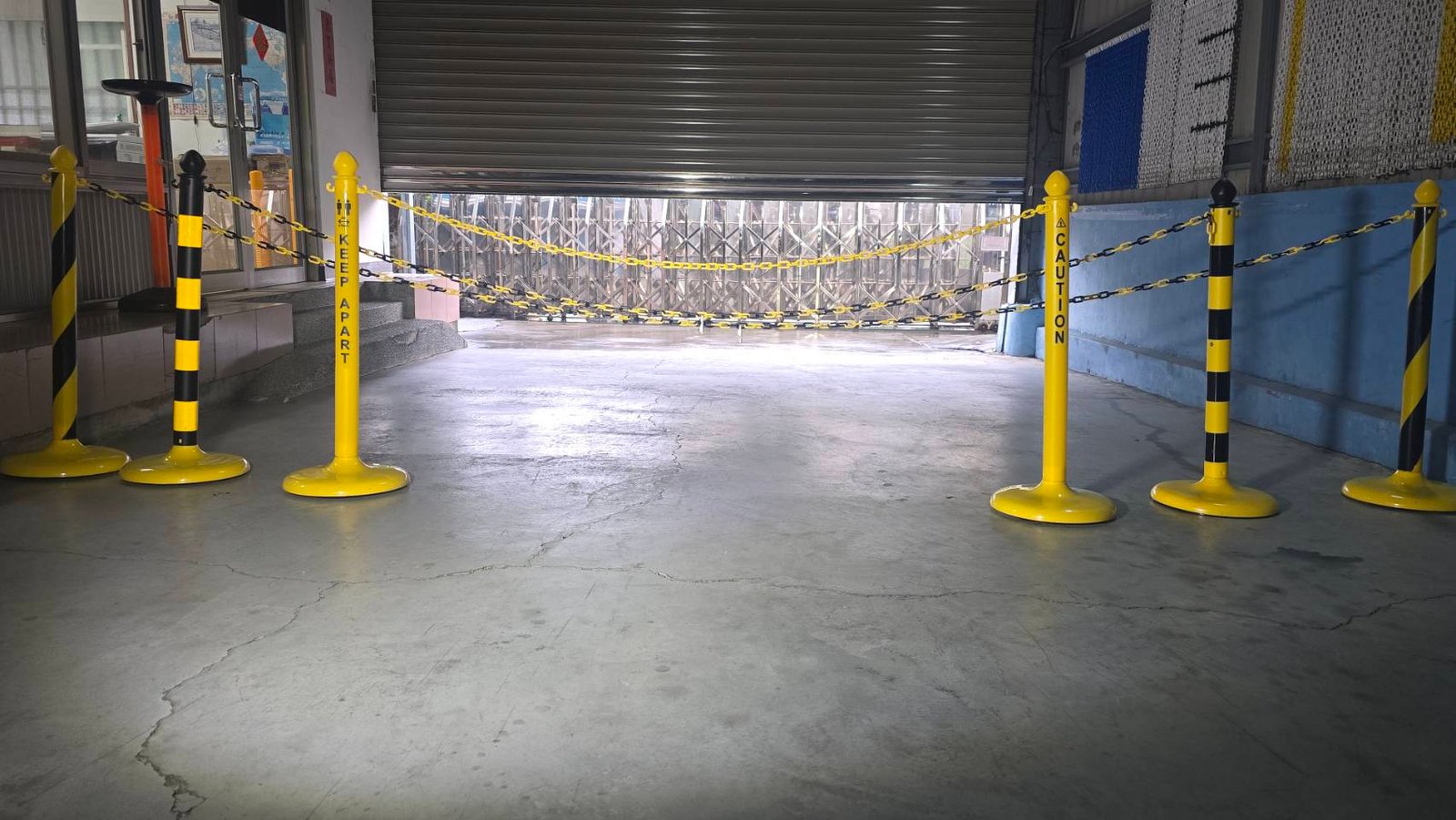
Explore our plastic chains and plastic stanchion posts, compare plastic chain vs. metal chain, or contact us for a quote.
✅ Conclusion: Smart Safety, Smarter Spending
If you’re looking for an affordable way to increase safety, organization, and efficiency, plastic chain systems are a smart choice. They’re lightweight, adaptable, weather-resistant, and — most importantly — budget-friendly.
Whether you’re a small business, a facility manager, or an event planner, plastic chain might just be the hidden gem your safety plan needs.